MBBS Hons BSc FRCA RCPathME ESRA DRA
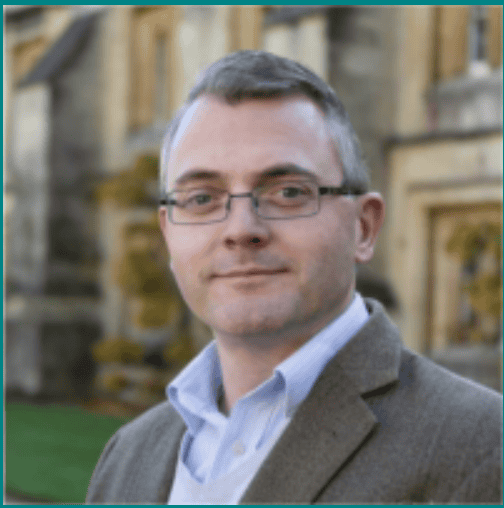
Consultant Orthopaedic Anaesthetist, Regional Anaesthetist and Medical Examiner
- 25+ years experience
- Consultant working at the Nuffield Orthopaedic Centre and the Manor Hospital Oxford
- Specialist Orthopaedic Anaesthetist
- Specialist expert in Regional Anaesthesia particularly for orthopaedic surgery
- Examiner for the international European Diploma in Regional Anaesthesia (ESRA Society)
- Oxfordshire Medical Examiner
Our “anaesthesia guide for knee replacement surgery” has been authored by Dr Crowley at our invitation. We asked him because he is an international expert in regional anaesthesia, a senior experienced Consultant Anaesthetist and performs hundreds of knee replacement operations each year. Dr Crowley works both privately and also in the NHS.
Consultant Anaesthetist | Clinical Experience, Patient Safety and Better Orthopaedic Care
Dr Mark Crowley is a Consultant Anaesthetist at Oxford University Hospitals NHS Foundation Trust, where he has worked as a consultant since 2007. His clinical interests include orthopaedic surgery, regional anaesthesia, perioperative care and resuscitation. Throughout his career, he has combined frontline clinical practice with medical education, clinical leadership and work to improve patient safety and the quality of healthcare.
Mark works with Active Again to help people better understand their options when considering private knee or hip replacement surgery. The aim is straightforward: to make reliable, practical information more accessible, helping patients approach important treatment decisions with greater confidence and have better-informed conversations with their healthcare professionals.
A career focused on clinical care and patient safety
As a consultant anaesthetist, Mark works within the multidisciplinary environment surrounding major surgery. Anaesthesia is about much more than the administration of anaesthetic drugs. It involves assessing patients before surgery, understanding their medical conditions and individual risks, planning appropriate perioperative care, managing pain, supporting recovery and responding to complications when they arise.
These considerations are particularly relevant to people undergoing knee and hip replacement. Successful treatment involves more than the operation itself. A patient’s general health, preparation, anaesthetic management, pain relief, rehabilitation and recovery all contribute to the overall experience and outcome.
Mark’s clinical interests in orthopaedics and regional anaesthesia have given him a particular appreciation of the importance of effective pain management, appropriate preparation for surgery and coordinated care throughout the perioperative pathway.
His approach to patient information reflects this broader perspective. People considering joint replacement need to understand not only what an operation involves, but also what happens before and afterwards, what questions to ask, and which factors may influence their individual treatment decisions.
Regional anaesthesia, education and professional development
Mark has been involved in regional anaesthesia and medical education for almost two decades. Regional anaesthesia techniques can play an important role in modern surgical care, particularly in orthopaedics, where effective analgesia can support mobilisation and recovery.
He holds the European Society of Regional Anaesthesia (ESRA) Diploma in Regional Anaesthesia and has served as an ESRA diploma examiner since 2018. He has also contributed to the development and delivery of educational programmes for clinicians, including advanced regional anaesthesia teaching and ultrasound-guided nerve block training.
His educational work has included organising regional anaesthesia courses and professional meetings, lecturing internationally and developing the Oxford Ultrasound Block Library to support clinical training.
This experience has reinforced the importance of translating complex medical knowledge into clear, practical information that people can understand and use.
Clinical leadership and resuscitation
Alongside his clinical work, Mark has undertaken leadership responsibilities focused on resuscitation, emergency response and improving the quality of clinical care.
He was Clinical Lead for Resuscitation at the Nuffield Orthopaedic Centre from 2008 to 2011 and has been a member of the Oxford University Hospitals Resuscitation Committee since 2011. He has also held leadership roles within the Resuscitation and Acute Illness Delivery (RAID) committee structure.
Mark has chaired the National Cardiac Arrest Audit committee for six years. This work has involved engagement with the analysis and interpretation of cardiac arrest data, helping identify patterns, understand variation and support learning from clinical events.
This combination of clinical practice, audit and leadership has shaped his interest in evidence-informed decision-making, patient safety and continuous improvement. It has also highlighted the value of asking the right questions, looking beyond headline figures and understanding what information can—and cannot—tell us about the quality of care.
Medical Examiner
Since 2020, Mark has also undertaken Medical Examiner work in Oxfordshire. This role involves the independent scrutiny of deaths and consideration of the circumstances surrounding a person’s care.
Medical Examiner work requires careful review, professional judgement, attention to detail and a willingness to examine clinical events objectively. It also recognises the importance of clear communication with bereaved families and of identifying concerns or opportunities for learning where appropriate.
This responsibility complements his wider commitment to professional standards, transparency and patient-centred healthcare.
Why Active Again?
Deciding whether to undergo knee or hip replacement is a significant decision. Patients may be living with persistent pain, reduced mobility, disrupted sleep or limitations on activities that previously formed an ordinary part of everyday life. They may also face uncertainty about when surgery is appropriate, what private treatment involves, how much it may cost and what recovery will demand.
Active Again aims to help patients navigate these questions through accessible, structured information about joint replacement, treatment options, costs, preparation, risks and recovery.
The website is intended to support—not replace—individual medical advice. Every patient has different circumstances, and decisions about surgery should be made in consultation with appropriately qualified healthcare professionals who understand their clinical needs.
The principle behind Active Again is simple: informed patients are better equipped to ask questions, understand their options and participate in decisions about their care.
The ultimate goal is to help people make confident, informed choices about their treatment and take the next steps towards improved mobility, independence and quality of lfe.
This information is for educational purposes only. Please read the site disclaimer and ensure that you discuss in detail with your surgeon and anaesthetist what anaesthetic techniques they feel are appropriate for you given your medical history.